
The Neurological Benefits of Counter Conditioning Leash Reactive Dogs
by Drayton Michaels Counterconditioning and desensitizing dogs when on leash also has neurological benefits © Can Stock Photo/Amaviael The Neurological Benefits of Counter Conditioning Leash Reactive Dogs focuses on creating new and better associations for dogs on leash. When dogs face fearful or stressful stimuli, helping them feel less stressed and less fearful is crucial. A positive association may develop, or at least [...]
Talking to Dogs
by Pam Hogle Photo by Deni Elliott A newly published study finds that dogs pay attention to both the way we talk to them and to what we say. Alex Benjamin and Katie Slocombe’s ‘Who’s a good boy?!’ Dogs prefer naturalistic dog‑directed speech looked at what they term “dog-directed speech,” or DDS, which is similar in tone and affect to baby talk. Their canine test subjects were all adult [...]

The Opposite of Force
The concept of choice has become extremely popular in positive reinforcement–based dog training. Many trainers use the word often, and it sounds appealing. Choice feels like the opposite of force, so it seems humane and empowering for dogs. However, the full article explores why this idea is more complex than it first appears. In some training setups, “choice” can involve situations where the dog is [...]

Teaching Deaf (and Blind) Dogs to Use Their Mouths Gently
Read the full article By Debbie Bauer HERE Teaching Deaf (and Blind) Dogs to Use Their Mouths Gently is an important topic for anyone living with deaf or blind/deaf dogs. Many guardians notice rough mouthing in puppyhood and adolescence. This behavior is normal, but it must be guided early. Dogs use their mouths to explore, play, and communicate. Because of this, they need help learning [...]

So Easy to Miscue…
This article takes a closer look at how easily human influence can alter the results of canine scent detection, making it So Easy to Miscue during real-world searches. It explains how dogs often respond to subtle shifts in their handler’s attention, movement, or assumptions, even when neither person intends to guide the outcome. Research and field observations show that dogs may alert simply because they [...]

How to Teach Your Deaf (and Blind) Dog to Wake Up Gently
Understanding the Goal The article How to Teach Your Deaf (and Blind) Dog to Wake Up Gently explains how to help dogs with hearing or vision loss wake in a calm and confident way. Many people worry that these dogs may react strongly when startled, yet most respond well when they learn that touch predicts something pleasant. The author encourages caregivers to shape these positive [...]
UNDERSTANDING “YOU GET WHAT YOU REWARD”
One of the most powerful truths in dog training is UNDERSTANDING “YOU GET WHAT YOU REWARD”, not what you want your dog to do. Dogs learn through consequences, and their behavior is shaped by what consistently results in attention, access, or reinforcement. Without realizing it, we often reinforce behaviors we don’t like simply because we’re responding automatically rather than intentionally. A common example is verbal [...]
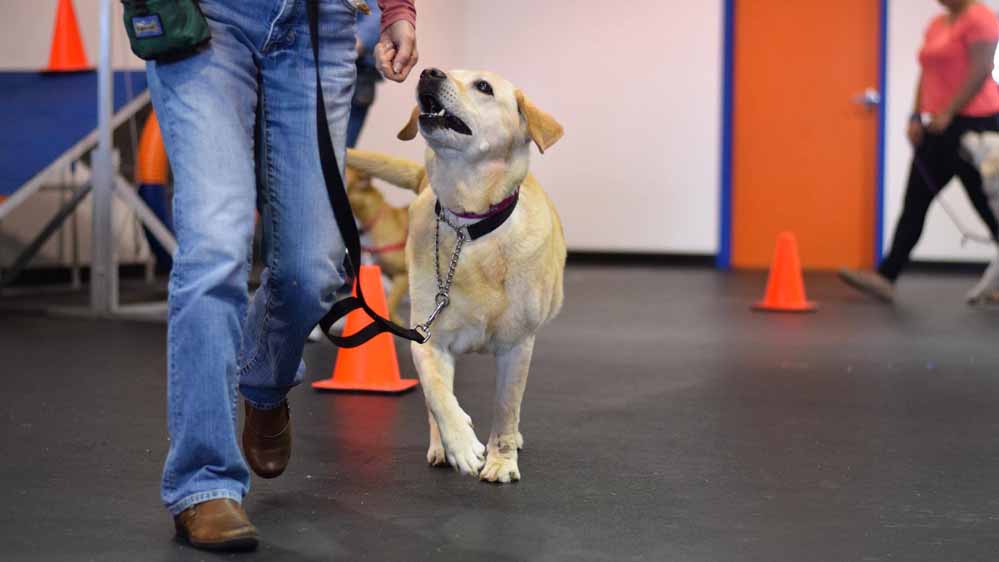
Cognitive Dog Training
Another forward thinking blog by Pam Hogle. Cognitive Dog Training invites readers to look beyond traditional training methods and explore how dogs think, learn, and make decisions. In this article, renowned trainer and educator Pam Hogle introduces a thoughtful approach that emphasizes mental engagement, problem-solving, and intentional learning. Rather than focusing on mechanical repetition, this perspective encourages dogs to actively participate in the learning process. [...]

Empowering Small Dogs or Puppies in a BIG World!
Empowering Small Dogs or Puppies in a BIG World! starts with understanding just how overwhelming everyday life can feel for a small dog or young puppy. In a space designed for tall humans, loud noises, and constant movement, it’s easy for little dogs to feel unsure or out of control. With thoughtful training and empathy, we can help them build confidence, resilience, and a sense [...]
Dog Barking: Seek First to Understand, Then Seek to Be Understood
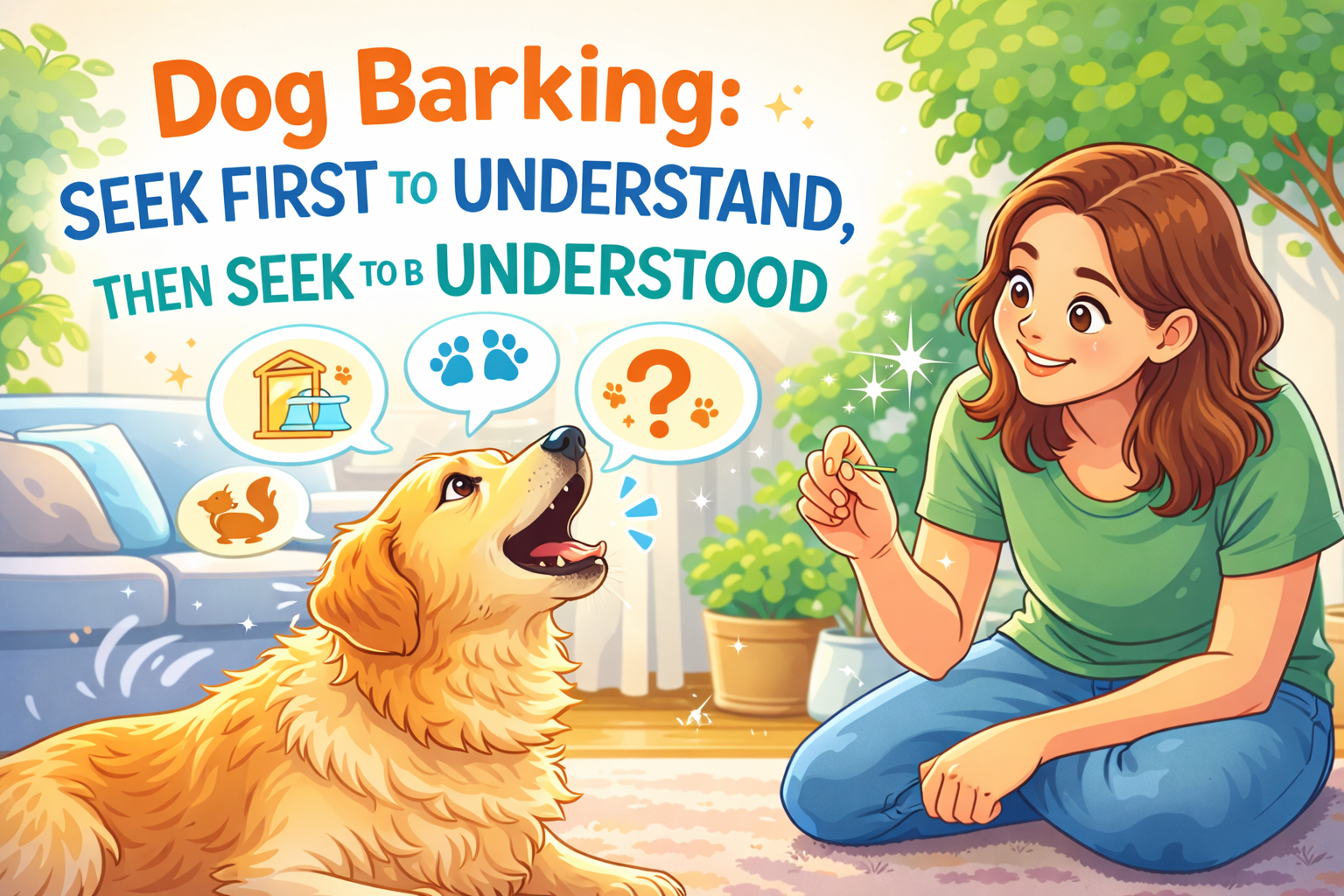
Barking Is Communication, Not Misbehavior Dog Barking: Seek First to Understand, Then Seek to Be Understood reframes barking as communication rather than a problem to stop. Barking is one of the most natural ways dogs express needs, emotions, and reactions to their environment. When we pause to ask why a dog is barking, we gain valuable information. That understanding allows us to teach calm, quiet [...]

Why Prong Collars Hurt
Thank you Eileen Anderson for writing an informative blog on the physics of a prong collar. Please see additional note at the bottom of the post. Dog guardians searching for effective leash solutions are often told that prong collars are a “gentler” alternative to traditional collars—but a closer look reveals a very different reality. Why Prong Collars Hurt is not a matter of opinion or [...]

Understanding Dog Vocalizations
Dogs Communicate Through Sound Understanding Dog Vocalizations begins with recognizing that dogs use sound as a primary form of communication. Barking, growling, and whining allow dogs to express emotions, intentions, and needs. When we listen to these sounds instead of reacting to them, we gain insight into our dog’s inner world and can respond more effectively. The Many Meanings of Barking Barking comes in several [...]