

How to Identify Resource Guarding in Dogs
Resource guarding happens when a dog tries to protect something valuable. It can include food, toys, people, or even space.
Understanding dog body language is the key to preventing bites and improving safety. Early recognition helps owners respond calmly and effectively.
A resource-guarding dog often shows clear signs. The dog may stop eating or lower its head over a food bowl.
Look for stiff posture, spread legs, and tense muscles. The dog’s mouth corners may pull forward, showing stress or discomfort.
Other signs include growling, a tucked tail, or a hunched back. These behaviors show fear or worry about losing the resource.
In toys or bones, the same signs appear. Watch for fixed eye contact, wide eyes, or a tight mouth holding the item.
Dogs may display a 90-degree head turn, a clear warning to stay back. This subtle cue often goes unnoticed.
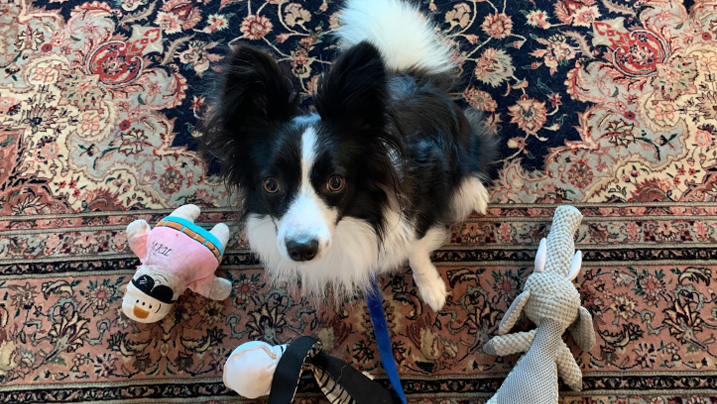
Even gentle breeds, like Border Collies or Dachshunds, may guard their favorite toys. Always watch for body tension or stiff posture.
Resource guarding can look like play, but it is not. If you are unsure, always assume the behavior is guarding.
Professional help makes a big difference. Trainers use counter-conditioning and systematic desensitization to change the dog’s emotional response.
Most dogs improve with one or two sessions. Use the Pet Professional Guild directory to find a qualified trainer near you.
Recognizing early signs of resource guarding keeps everyone safe. It also helps your dog feel more relaxed and secure.
For more information, contact Courteous Canine, Inc. at CourteousCanine.com or email LoveDogs@CourteousCanine.com.
Train with care, observe closely, and support your dog through trust and positive experiences.
Read the whole article HERE so you can keep yourself, your family, and your dog safe.