

Rethinking Tail Position in Dogs
The article With Her Tail between Her Legs challenges the common belief that a tucked tail always signals fear or discomfort. Many people assume this posture reveals stress, but the author shows that this cue is not always so simple. Tail position can reflect many emotions, and interpreting it correctly requires context.
Why a Tucked Tail Isn’t Always Fear
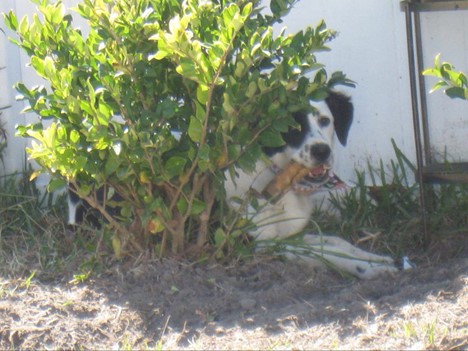
The author notices that her dog lowers her tail during activities she enjoys. These include working on food toys, concentrating on tasks, or focusing intensely on a challenge. In these moments, the dog appears energetic, engaged, and eager—not anxious. This pattern suggests that some dogs tuck their tails when concentrating, not only when frightened.
Evaluating the Whole Dog
The article encourages readers to look at the entire body rather than relying on one signal. Ear placement, movement, facial tension, appetite, and posture help reveal how a dog truly feels. Breed differences also play a role in natural tail carriage. Some dogs naturally hold their tails lower, making it easy to misinterpret their emotions.
Comparing True Stress vs. Focused Behavior
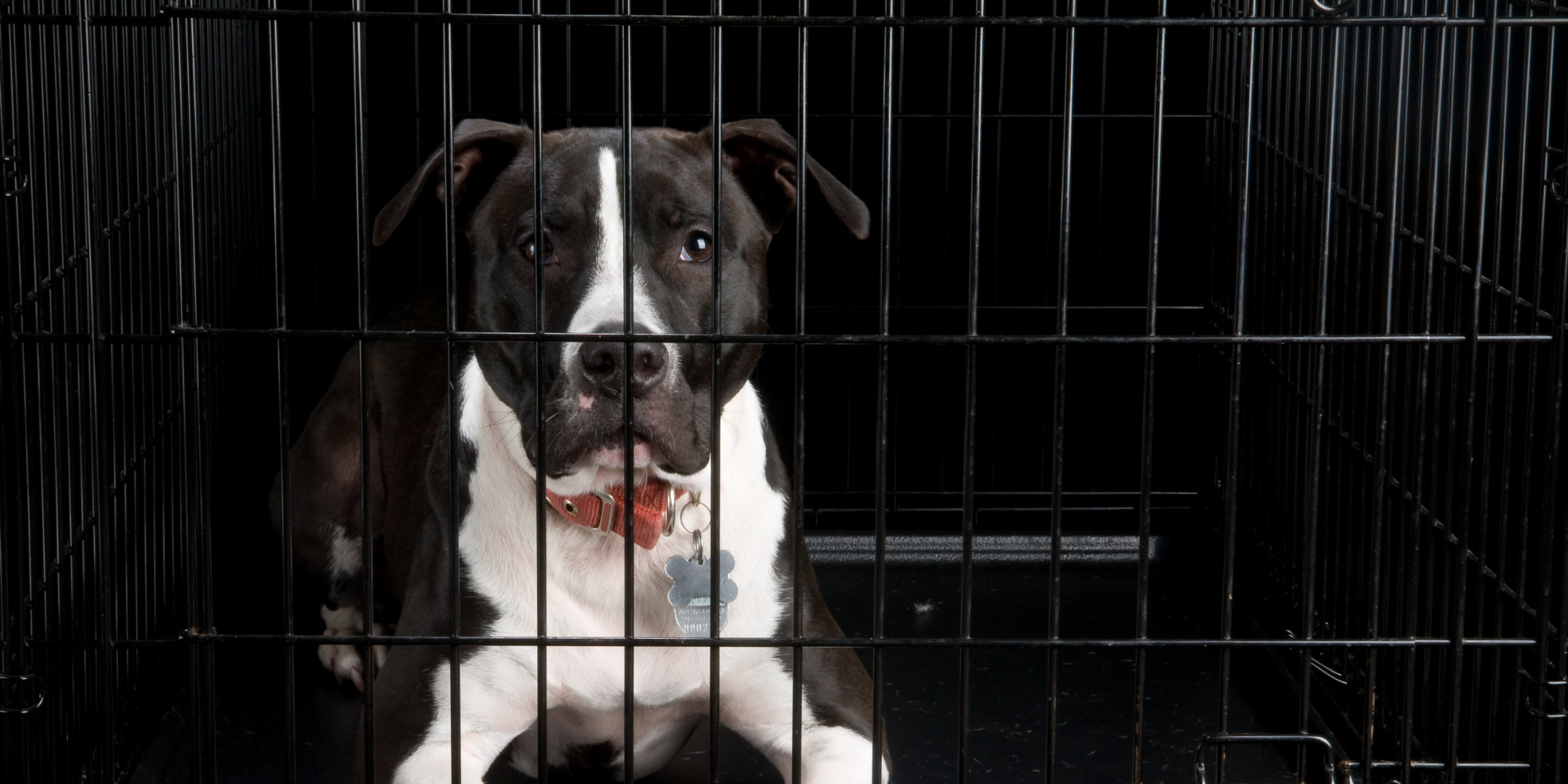
To highlight the difference, the author compares moments of relaxed, task-based tail tucking with a photo showing real distress. In the stressed example, the dog’s whole body displays tension, worry, and discomfort. This comparison emphasizes that a single cue—like tail position—does not provide enough information.
Understanding Canine Communication
In the end, With Her Tail between Her Legs reminds readers that dog body language is layered and complex. A tucked tail can mean fear, but it can also indicate concentration, excitement, or breed-related posture. By observing the whole dog and the full situation, caregivers gain a clearer and more accurate understanding of their dog’s emotional state.
To read the full article by Eileen Anderson Click HERE