
Using Life Rewards in Dog Training to Build Better Behavior
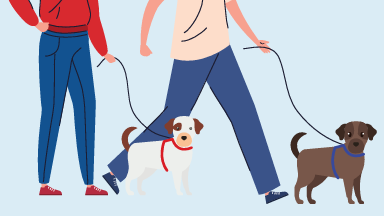
Using life rewards in dog training can help dogs learn manners through the everyday activities they already enjoy. A life reward is anything your dog values naturally, such as going for a walk, hopping into the car, or racing into the backyard. These rewards can work alongside food and toys to make training part of daily life.
The key is to identify what your individual dog truly enjoys. A walk only works as a reward if your dog wants to go outside. The same is true for car rides, backyard play, or any other activity. Once you know what your dog values, you can use access to those activities to reinforce calm, appropriate behavior.
For example, you might ask your dog to sit before opening the back door. You could wait for eye contact before clipping on the leash. Before getting into the car, your dog might practice a down or another familiar behavior. After success, a release cue tells your dog that the fun can begin.
This approach helps dogs practice impulse control in real-life situations. It can also strengthen cues, improve focus, and reduce frantic or pushy behavior around exciting events.
Consistency matters. Use the same release cue each time and avoid allowing your dog to release themselves. If your dog struggles, make the task easier rather than becoming frustrated. Shorter duration, fewer distractions, or more distance can help your dog succeed.
Life rewards turn ordinary moments into valuable training opportunities. They also show dogs that calm behavior can unlock the things they want most.
By using life rewards in dog training, you can build practical skills without relying on food alone. The result is clearer communication, stronger self-control, and better manners that carry over into everyday life.
Click HERE to read the full handout!