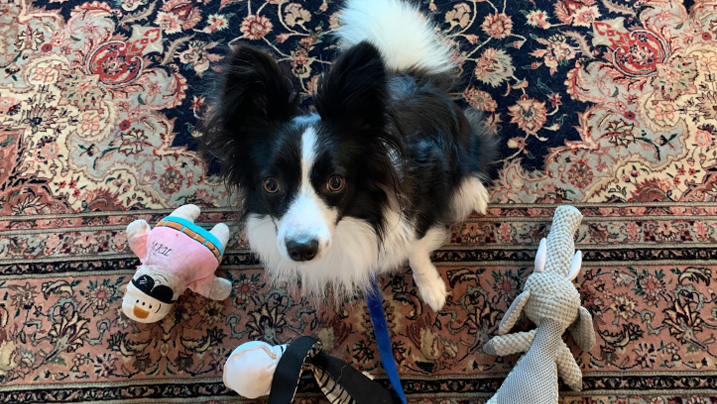


Barking Is Communication, Not Misbehavior
Dog Barking: Seek First to Understand, Then Seek to Be Understood reframes barking as communication rather than a problem to stop. Barking is one of the most natural ways dogs express needs, emotions, and reactions to their environment. When we pause to ask why a dog is barking, we gain valuable information. That understanding allows us to teach calm, quiet behaviors in a way that builds trust instead of fear.
Understanding the Many Causes of Barking
Dogs bark for many reasons, and unwanted barking is often complex. Common causes include boredom, breed-related vocal tendencies, startle responses, alert behaviors, separation-related stress, demand barking, and noise sensitivity. Medical or mental health conditions can also play a role. Many dogs bark for more than one reason at the same time. Because of this, a one-size-fits-all solution rarely works. Dog Barking: Seek First to Understand, Then Seek to Be Understood highlights motivation as the foundation of lasting behavior change.
Why Aversive Tools Fall Short
This approach strongly discourages aversive tools like bark collars, spray devices, ultrasonic deterrents, and punishment. These methods may reduce barking briefly, but they fail to teach alternative behaviors. They also damage trust, increase fear, and raise the risk of bites. Humane, science-based training focuses instead on communication, emotional safety, and meeting a dog’s underlying needs.
Humane Strategies That Create Lasting Change
Effective solutions include increasing physical exercise, adding mental enrichment, and reducing or managing triggers. Teaching a calm and quiet cue helps dogs learn what to do instead of barking. Capturing relaxation and using counter-conditioning with systematic desensitization build emotional resilience. Rewarding calm behavior and practicing antecedent control prevent barking before it escalates. Our own calm matters too, as emotional contagion influences how dogs respond.
A Path to Quieter Homes
Ultimately, Dog Barking: Seek First to Understand, Then Seek to Be Understood reminds us that barking shares information, not defiance. With patience, observation, and compassion, Dog Barking: Seek First to Understand, Then Seek to Be Understood helps dog parents create quieter homes and stronger relationships rooted in understanding rather than suppression.
For the full article click HERE